
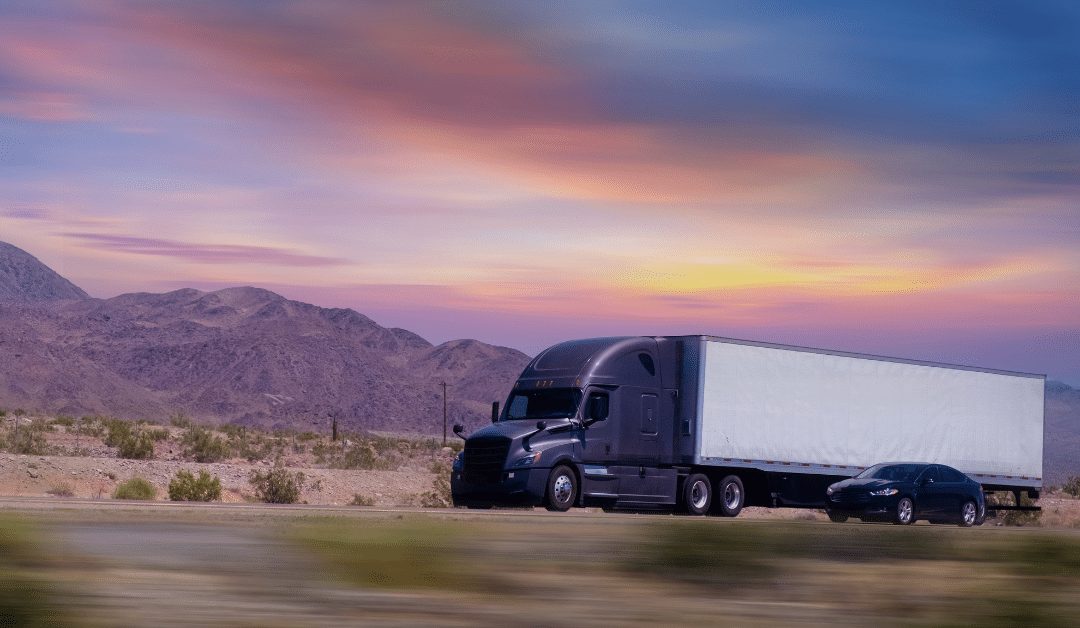
A commercial rig should track predictably down the road. When your truck begins pulling to the left or right, requires constant steering correction, or feels as though the trailer is influencing the direction of the tractor, something may need attention. Uneven pulling is more than an annoyance for a driver spending hours behind the wheel. It can indicate problems with tires, alignment, brakes, suspension, steering, or trailer components.
Determining exactly where the problem originates can be challenging because the tractor and trailer operate as one connected system. A problem at the front of the truck can affect handling, but an issue farther back on the trailer can create similar symptoms. Professional semi truck and trailer repair helps identify the source of uneven handling so the correct components can be addressed before unnecessary wear or a more significant problem develops.
Understanding the most common causes can also help drivers recognize when a change in handling deserves professional attention.
What Does Uneven Pulling Feel Like?
A truck does not have to dramatically veer across the road for there to be a problem. Sometimes the first symptom is subtle. You may find yourself applying steady pressure to the steering wheel to keep the rig centered, or you may notice that the truck gradually moves toward one side when traveling on a relatively level road.
The behavior may also change depending on driving conditions. Some rigs pull primarily during braking, while others become difficult to keep straight during acceleration or at highway speeds. You may notice the problem more clearly when the trailer is loaded.
Pay attention to when the pulling occurs and which direction the vehicle moves. These details can help technicians performing semi truck and trailer repair narrow down potential causes and diagnose the issue more efficiently.
1. Wheel Alignment Problems
Alignment is one of the first areas to consider when a commercial truck consistently pulls toward one side.
Heavy-duty vehicles rely on precise wheel positioning to travel straight and distribute tire wear evenly. Potholes, curbs, road debris, worn suspension components, and thousands of miles of normal operation can gradually change alignment.
When alignment is incorrect, tires may no longer travel in the same direction. The driver then has to compensate through the steering wheel to maintain a straight path.
Alignment problems can also cause irregular tire wear, which may make the pulling progressively worse. Feathering, excessive wear along one edge, or noticeably different wear between tires can all indicate that the truck should be inspected.
A complete semi truck and trailer repair evaluation should consider both alignment and the condition of components that may have caused the alignment to change.
2. Uneven Tire Pressure and Tire Wear
Tires have a major influence on how a heavy truck handles. If pressure differs significantly from one side of the vehicle to the other, rolling resistance can change enough to affect tracking.
Underinflated tires may create more resistance, causing the truck to favor one side. Overinflation can affect the tire’s contact with the road and contribute to uneven wear.
Tire condition matters just as much as pressure. Irregular tread wear, mismatched tires, damaged sidewalls, or differences in tread depth can influence handling.
Drivers should inspect tires during pre-trip checks and verify inflation using an accurate gauge. If uneven wear continues after pressure has been corrected, there may be another problem involving alignment, suspension, or steering.
Addressing those underlying issues through semi truck and trailer repair can help prevent a new set of tires from developing the same abnormal wear pattern.
3. Brake Problems Can Make a Rig Pull During Stops
If the truck tracks normally while cruising but pulls when you apply the brakes, the braking system deserves immediate attention.
Uneven braking occurs when braking force differs from one side of the vehicle to the other. Problems with brake chambers, slack adjusters, drums, rotors, linings, calipers, or air system components can contribute depending on the vehicle’s configuration.
A brake that drags can also cause the rig to pull even when the driver is not actively braking. Excessive heat around one wheel position may be another clue that a brake component is not releasing correctly.
Brake-related pulling should not be ignored. Heavy commercial vehicles depend on balanced braking to remain stable during stops, particularly when hauling substantial loads.
Professional semi truck and trailer repair can determine whether the problem originates with the tractor brakes, trailer brakes, or another component affecting braking performance.
4. Suspension Components May Be Worn or Damaged
The suspension supports the weight of the truck and cargo while helping maintain proper tire contact with the road. Commercial suspension components endure tremendous loads, vibration, road impacts, and constant movement.
Worn bushings, damaged springs, loose components, failing shocks, or problems within an air suspension system may change the position of an axle or allow excessive movement.
When suspension geometry changes, wheel alignment and vehicle tracking can change with it.
Drivers may notice additional symptoms such as excessive bouncing, uneven ride height, unusual noises, instability while cornering, or abnormal tire wear.
Because suspension problems can affect alignment, replacing tires or performing an alignment alone may not provide a lasting solution. A thorough semi truck and trailer repair inspection should identify worn components first so the root cause can be corrected.
5. Steering System Wear Can Affect Tracking
When the pulling sensation appears to originate at the front of the tractor, the steering system may be involved.
Heavy truck steering systems contain several components that must work together with minimal unwanted movement. Wear in tie rods, drag links, steering gears, kingpins, or other steering components can affect control and alignment.
Excessive steering play may require the driver to make frequent corrections to stay centered. In other situations, a damaged or binding component may encourage the truck to move toward one side.
Steering problems can develop gradually, which makes them easy to become accustomed to. A driver may not realize how much correction has become necessary until the handling changes significantly.
Regular inspections and timely semi truck and trailer repair can help identify steering wear before it begins affecting other components or vehicle control.
6. The Trailer May Be Causing the Problem
When diagnosing uneven pulling, it is important not to focus exclusively on the tractor. The trailer can influence how the entire rig travels.
Trailer axle alignment is particularly important. If an axle is not positioned correctly, the trailer may track slightly sideways rather than following directly behind the tractor. Drivers sometimes describe this condition as dog tracking.
Trailer suspension wear, damaged axle components, uneven tire pressure, brake problems, or structural issues may also contribute to poor tracking.
A trailer that does not track properly can create additional drag and accelerate tire wear. Over time, the driver may find that maintaining a straight path requires constant correction.
This is one reason comprehensive semi truck and trailer repair is valuable. Evaluating the tractor without inspecting the trailer could leave the true cause unresolved.
7. Load Distribution Can Change Handling
Sometimes the problem is not a failed mechanical component at all. Improperly distributed cargo can change the way a rig handles.
If significantly more weight is concentrated on one side of the trailer, suspension and tires may be loaded unevenly. Poor front-to-back weight distribution can also affect axle loads and vehicle stability.
Cargo can shift during transportation as well, particularly if it was not secured properly. A rig that handled normally at the beginning of a trip may start behaving differently after a sudden stop or sharp maneuver if the load moves.
Drivers should follow applicable cargo securement and weight requirements and investigate unexpected handling changes rather than assuming they are normal.
If the load is properly distributed but pulling remains, a mechanical inspection is the next step.
Why Uneven Pulling Can Lead to Tire Problems
Tires often reveal mechanical problems before other symptoms become obvious.
When alignment, suspension, steering, or axle positioning is incorrect, tires may scrub against the road rather than rolling naturally. This creates accelerated and irregular wear.
One side of a tire may wear faster than the other, or individual tires may develop cupping, feathering, or other unusual patterns.
Replacing the tire without correcting the cause may only temporarily solve the problem. The replacement can begin wearing irregularly for the same reason.
Technicians performing semi truck and trailer repair can use tire wear patterns as diagnostic clues while examining the components responsible for maintaining proper tracking.
Pay Attention to When the Problem Happens
Providing technicians with specific information about the symptoms can make diagnosis easier.
Before scheduling service, consider when you notice the pulling most:
- While traveling at highway speeds
- During braking
- During acceleration
- When the trailer is loaded
- When the trailer is empty
- After hitting a pothole or road hazard
- After recent tire, suspension, or steering work
Also note whether the problem appeared suddenly or developed gradually.
A sudden change may indicate damaged or failed equipment, while gradual pulling can be associated with wear, alignment changes, or slowly developing tire problems. These observations do not replace professional diagnostics, but they can provide useful direction during a semi truck and trailer repair inspection.
Why You Should Not Constantly Correct the Steering and Ignore It
Drivers can sometimes compensate for pulling by maintaining pressure on the steering wheel. Once this becomes habitual, it may seem like little more than an inconvenience.
The underlying condition, however, may continue getting worse.
If poor alignment is responsible, tires may continue wearing prematurely. If a suspension component is loose or damaged, additional parts may experience stress. If uneven braking is responsible, stopping performance may be affected.
Constant steering correction can also contribute to driver fatigue during long trips. A commercial truck that tracks correctly is easier and more comfortable to operate than one that continually requires adjustments.
Scheduling semi truck and trailer repair when handling changes can help prevent additional wear and determine whether a safety-related component needs attention.
Preventive Maintenance Can Help Catch Problems Earlier
Not every handling problem can be prevented, but routine inspections provide opportunities to find developing concerns before they significantly affect the way a truck drives.
Tire pressure and tread should be checked frequently. Suspension and steering components should be inspected for looseness, damage, or wear. Brake systems should be maintained so braking force remains consistent, and alignment should be evaluated when abnormal tire wear or handling changes develop.
Trailers deserve the same attention. Trailer tires, brakes, suspension, axles, and structural components all influence the way the complete rig behaves on the road.
For fleets, including these items in a preventive maintenance program can help reduce unexpected downtime and make repairs easier to schedule.
Why Proper Diagnosis Matters
Uneven pulling has many possible causes, and replacing parts without identifying the source can waste both time and money.
For example, installing new tires will not correct a worn suspension component. Performing an alignment may not provide lasting results if steering components have excessive play. Repairing the tractor may not solve anything if a trailer axle is causing the rig to track incorrectly.
Professional semi truck and trailer repair involves looking at how the vehicle’s systems interact rather than assuming the most obvious component is responsible.
An accurate diagnosis helps ensure repairs address the underlying condition and gives drivers greater confidence when the truck returns to service.
How Ignoring Uneven Pulling Can Increase Operating Costs
For commercial drivers and fleet managers, mechanical problems affect more than driving comfort.
Premature tire wear can increase replacement expenses. Additional rolling resistance may affect fuel consumption. A developing suspension or steering problem may damage related components if it continues untreated.
There is also the cost of unexpected downtime. Discovering a problem during a scheduled inspection gives a business more control over when repairs occur. Waiting for a component to fail can leave a loaded truck unavailable at the worst possible time.
Prompt semi truck and trailer repair can help limit secondary damage and keep maintenance expenses more predictable.
Why Choose Troy’s Truck & Equipment?
Heavy trucks and trailers operate under demanding conditions every day, and dependable handling is essential for drivers and fleet operators. When a rig begins pulling, shaking, wearing tires unevenly, or behaving differently on the road, finding the actual cause is important.
Troy’s Truck & Equipment provides repair and maintenance services for commercial trucks and trailers. Whether the problem involves alignment, steering, suspension, brakes, tires, driveline components, or another mechanical system, experienced technicians can inspect the vehicle and determine what needs attention.
Choosing professional semi truck and trailer repair helps ensure both parts of your rig are considered when diagnosing handling concerns.
Get Your Rig Tracking Straight Again
A semi truck that pulls unevenly is giving you a warning that something has changed. It may be a tire pressure issue, alignment problem, worn steering component, brake concern, suspension problem, trailer axle issue, or even improper load distribution.
Rather than compensating at the steering wheel and hoping the problem stays manageable, have the complete rig inspected. Addressing the issue early can help protect tires, reduce unnecessary component wear, improve handling, and prevent a smaller concern from becoming an expensive interruption.
When you notice a change in the way your truck handles, professional semi truck and trailer repair can help identify the source and get your equipment back to dependable operation.
Contact Troy’s Truck & Equipment today to learn more and schedule service.
Stay up to date with the latest by liking and following us on Facebook.