
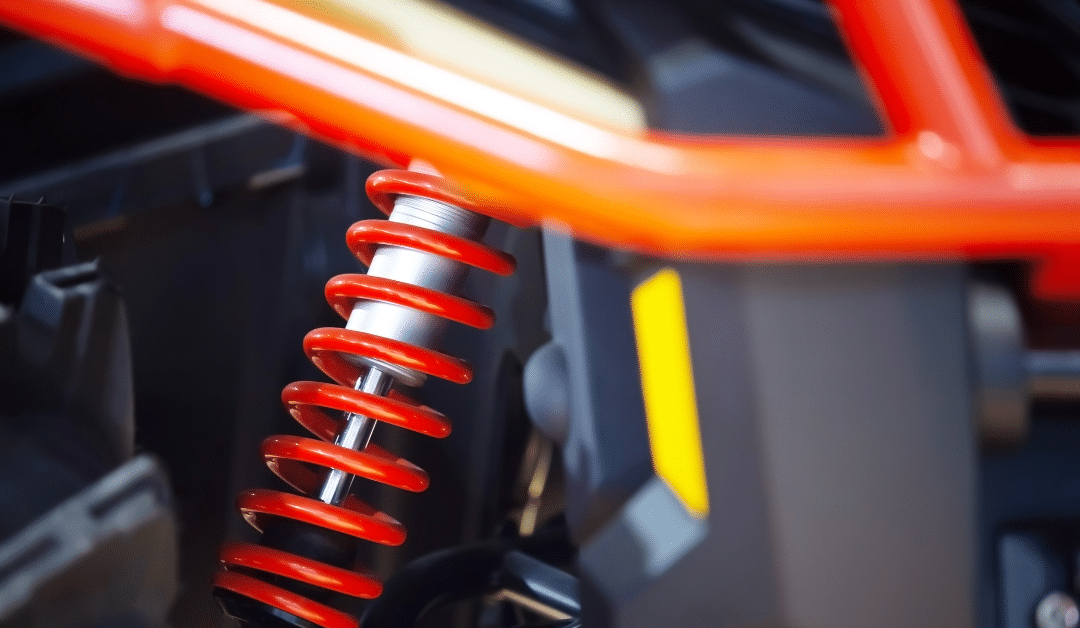
The suspension system of a semi truck plays a critical role in safety, comfort, and overall performance. It absorbs road shock, stabilizes heavy loads, and keeps the truck properly aligned while traveling thousands of miles. When suspension components begin to wear or fail, the effects can be felt throughout the entire vehicle. Ignoring early symptoms often leads to unsafe driving conditions, accelerated tire wear, and expensive secondary repairs.
Understanding the warning signs that indicate the need for semi truck suspension repair helps drivers and fleet managers address problems before they escalate. Many suspension issues start small but worsen over time, especially under heavy loads or rough road conditions. Recognizing these signs early can reduce downtime and keep trucks operating safely and efficiently.
Why the Suspension System Matters
A semi truck suspension system is designed to support the weight of the vehicle and cargo while maintaining stability and traction. It works in coordination with steering, braking, and tires to ensure smooth handling and predictable control. When suspension components wear out, the entire vehicle becomes harder to manage.
Common suspension systems include air ride suspensions and traditional leaf spring setups. Both systems rely on multiple components such as shocks, bushings, airbags, control arms, and mounting hardware. When any of these parts fail, performance and safety are compromised.
Routine inspections and timely semi truck suspension repair are essential for maintaining proper ride height, load balance, and driver comfort. Without proper maintenance, suspension issues can lead to alignment problems, uneven tire wear, and increased strain on steering and braking systems.
Uneven or Rapid Tire Wear
One of the most common warning signs of suspension problems is uneven tire wear. When suspension components are worn or misaligned, tires no longer make consistent contact with the road. This causes certain areas of the tire to wear faster than others.
Common patterns include cupping, feathering, or excessive wear on one edge of the tire. These patterns often indicate worn shocks, damaged bushings, or improper alignment caused by suspension failure.
Ignoring uneven tire wear leads to frequent tire replacements and increases the risk of blowouts. Addressing the issue early with professional semi truck suspension repair helps correct alignment problems and extends tire life.
Excessive Bouncing or Rough Ride
A properly functioning suspension system absorbs road bumps and vibrations. When shocks or airbags wear out, the truck may bounce excessively after hitting bumps or feel unusually rough on smooth roads.
Drivers may notice the cab continues to bounce long after hitting a pothole or that the truck feels unstable at highway speeds. This reduces comfort and makes it harder to control the vehicle, especially when hauling heavy loads.
Excessive bouncing is a clear sign that suspension components are no longer performing their job. Scheduling semi truck suspension repair restores ride stability and improves overall handling.
Leaning or Uneven Ride Height
If a truck appears to lean to one side or sits lower at one end, there may be a suspension imbalance. This is often caused by failing airbags, broken leaf springs, or worn mounting hardware.
Uneven ride height affects braking, steering response, and load distribution. It also places additional stress on other suspension components, increasing the likelihood of further damage.
During inspections, technicians measure ride height and inspect suspension components to identify the source of imbalance. Timely semi truck suspension repair ensures the vehicle remains level and safe to operate.
Steering Issues or Poor Handling
Suspension and steering systems work together to maintain vehicle control. When suspension components wear out, steering response becomes unpredictable. Drivers may notice pulling to one side, difficulty maintaining lane position, or excessive steering wheel movement.
Poor handling becomes especially dangerous during turns, braking, or adverse weather conditions. Suspension issues may also cause delayed steering response, making it harder to react quickly to road hazards.
Professional semi truck suspension repair helps restore proper alignment and steering control, reducing driver fatigue and improving safety.
Clunking, Knocking, or Squeaking Noises
Unusual noises coming from beneath the truck often indicate loose or worn suspension components. Clunking or knocking sounds may occur when driving over bumps, while squeaking can indicate worn bushings or dry joints.
These noises are not normal and should never be ignored. Over time, loose components can detach or fail completely, leading to serious safety risks.
Technicians performing semi truck suspension repair inspect joints, bushings, mounts, and fasteners to identify the source of noise and replace damaged parts.
Poor Load Stability
A failing suspension system struggles to keep loads stable. Drivers may notice increased sway, shifting cargo, or instability during turns. This not only affects vehicle control but also increases the risk of load damage.
Load instability is often caused by worn airbags, weak springs, or failing shocks. Addressing these issues promptly with semi truck suspension repair helps maintain load balance and prevents accidents.
Stable suspension performance is especially important for long-haul routes and heavy freight operations.
Increased Brake Wear
Suspension problems often lead to increased brake wear. When the truck does not sit level or maintain consistent tire contact with the road, braking forces become uneven. This causes brakes to work harder and wear out faster.
Uneven brake wear reduces stopping power and increases maintenance costs. Regular inspections and suspension maintenance help protect braking systems and improve overall vehicle safety.
Semi truck suspension repair not only restores ride quality but also helps preserve brake components and reduce long term expenses.
Visible Damage or Corrosion
Physical inspection can reveal suspension problems before they affect performance. Cracked leaf springs, leaking airbags, bent components, or excessive rust indicate that parts are nearing failure.
Exposure to road salt, moisture, and debris accelerates corrosion, especially in colder climates. Rusted suspension components weaken over time and may break unexpectedly.
Routine inspections and timely semi truck suspension repair replace damaged parts before they fail completely.
Air Suspension Warning Lights
For trucks equipped with air ride suspension, dashboard warning lights often indicate pressure loss or system faults. These warnings should be taken seriously, as air suspension failure can lead to uneven ride height and unstable handling.
Air leaks, compressor issues, or damaged sensors can trigger warning lights. Professional diagnostics are necessary to pinpoint the exact cause and perform the appropriate repairs.
Ignoring warning lights increases the risk of sudden suspension failure and costly roadside repairs.
How Suspension Issues Lead to Bigger Problems
Suspension problems rarely affect just one system. When suspension components fail, they place added stress on tires, steering, brakes, and driveline components. Over time, small suspension issues can lead to major mechanical failures.
Delaying semi truck suspension repair often results in higher repair costs and longer downtime. Preventive maintenance and early intervention protect the entire vehicle and reduce unexpected breakdowns.
Preventive Maintenance and Inspection
Routine inspections are the best way to prevent suspension-related failures. Technicians check components for wear, leaks, alignment issues, and structural damage.
Preventive maintenance includes:
- Inspecting shocks and struts
- Checking airbag pressure and condition
- Examining bushings and mounts
- Measuring ride height
- Inspecting leaf springs and fasteners
Consistent maintenance reduces the need for emergency semi truck suspension repair and extends the life of suspension components.
When to Schedule Suspension Service
Drivers and fleet managers should schedule service at the first sign of suspension trouble. Waiting until handling or ride quality becomes unsafe increases the risk of accidents and expensive repairs.
Suspension inspections should be part of routine maintenance schedules, especially for trucks operating on rough terrain or carrying heavy loads. Addressing issues early improves reliability and reduces downtime.
Why Professional Suspension Repair Matters
Semi truck suspension systems are complex and require specialized tools and experience to service correctly. Professional technicians understand how each component affects vehicle performance and safety.
Accurate diagnostics and quality repairs ensure suspension systems function as designed. Professional semi truck suspension repair restores stability, improves handling, and protects other critical systems.
Why Choose Troy’s Truck & Equipment
Troy’s Truck & Equipment provides comprehensive suspension inspections and repairs for commercial trucks. Their technicians have the experience and equipment needed to identify suspension issues quickly and perform reliable repairs.
From air ride systems to traditional leaf spring setups, the team handles all aspects of semi truck suspension repair. Their focus on quality workmanship and efficient service helps minimize downtime and keep trucks road-ready.
Fleet managers and owner operators trust Troy’s Truck & Equipment for dependable repairs that support safety and long term performance.
Staying Ahead of Suspension Problems
Recognizing the warning signs of suspension trouble allows drivers to take action before problems escalate. Suspension systems are essential to safety, comfort, and load stability. Keeping them in good condition protects both drivers and cargo.
Scheduling regular inspections and addressing issues promptly ensures trucks remain reliable and efficient on the road. Semi truck suspension repair is an investment in safety, performance, and long term cost savings.
Contact Troy’s Truck & Equipment today to learn more and schedule service.
Stay up to date with the latest by liking and following us on Facebook.