
5 Emergency Breakdowns That Need Heavy Equipment Repair
When it comes to construction, trucking, and industrial projects, equipment is the heartbeat of your operation. Every hour your machinery sits idle due to a breakdown is an hour of lost productivity and lost revenue. That’s why heavy equipment repair isn’t just about fixing machines when something goes wrong; it’s about keeping your business moving, minimizing downtime, and preventing small issues from becoming major financial setbacks.
Emergency breakdowns can happen suddenly and without warning, but many of the most common failures follow predictable patterns. We’ll explore five breakdowns you simply can’t afford to ignore, why they happen, and how prompt heavy equipment repair makes all the difference.
1. Hydraulic System Failures
Hydraulics power some of the most essential functions of heavy machinery, such as lifting, digging, and moving massive loads. When the hydraulic system fails, the machine becomes nearly useless.
Common causes include:
- Damaged or leaking hoses
- Worn seals and fittings
- Contaminated fluid
- Pump or valve failure
Ignoring hydraulic issues is risky. A small leak can quickly become a full system failure, leading to safety hazards, costly cleanup, and major downtime.
Prevention and Repair: Regular inspections and fluid checks are your first line of defense. Technicians can catch worn hoses before they burst or identify contaminated fluid before it damages pumps. If a failure does occur, professional heavy equipment repair is crucial to replace faulty components, flush systems, and restore proper pressure so your machinery runs safely again.
2. Engine Breakdowns
Engines are the backbone of heavy equipment. Whether it’s an excavator, loader, or crane, if the engine fails, the entire operation comes to a standstill. Common causes include overheating, fuel delivery problems, oil leaks, or electrical malfunctions.
Signs of engine trouble often appear slowly: hard starts, excessive smoke, or unusual noises. Ignoring these warning signs can lead to total breakdowns at the worst possible time.
Prevention and Repair: Routine oil changes, coolant checks, and filter replacements extend engine life. But when breakdowns happen, expert heavy equipment repair is required to diagnose the issue, whether it’s a clogged injector, failed turbocharger, or cracked cylinder head. Acting quickly restores equipment and prevents secondary damage to other systems.
3. Electrical Failures
Modern heavy equipment depends on electrical systems for ignition, lighting, sensors, GPS, and safety features. An electrical breakdown might not sound as dramatic as hydraulics, but it can still bring your jobsite to a halt.
Typical causes include:
- Corroded wiring or connectors
- Blown fuses
- Failed alternators
- Sensor malfunctions
Even small electrical problems can grow quickly. A faulty alternator, for example, can drain the battery and leave the machine inoperable.
Prevention and Repair: Electrical inspections should be part of routine maintenance. Look for exposed wiring, corroded terminals, or flickering lights. When problems strike, heavy equipment repair specialists can diagnose shorts, replace alternators, or rewire key systems to restore reliability.
4. Transmission and Drivetrain Failures
Your machine’s ability to move, shift, and transfer power depends on its transmission and drivetrain. When these systems break down, you don’t just lose power; you lose control.
Common causes include:
- Low or contaminated fluid
- Worn gears and clutches
- Overheating
- Neglected maintenance
Transmission and drivetrain failures are often among the costliest to repair because they involve heavy-duty components. Worse, ignoring early warning signs like grinding noises or slipping gears usually results in total failure.
Prevention and Repair: Regular fluid changes, filter replacements, and inspections help prevent catastrophic damage. If you notice unusual performance, don’t push the machine harder. Call for heavy equipment repair immediately. Technicians can replace clutches, rebuild transmissions, or repair axles to get equipment back on track.
5. Structural Failures and Welding Repairs
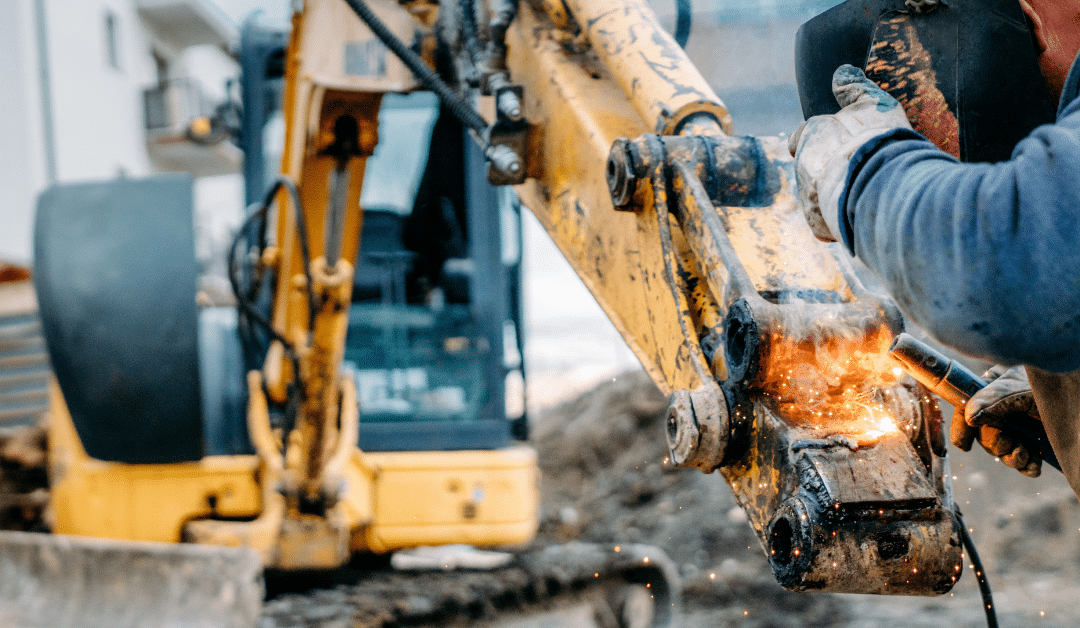
Not all breakdowns involve fluids or engines. Sometimes the equipment itself suffers physical damage, such as cracks in the frame, broken welds, or damaged booms and buckets. Structural failures pose serious safety risks and can cause total machine failure if not repaired properly.
These failures often occur during heavy loads. A cracked boom or bucket could collapse mid-operation, endangering workers and causing costly delays.
Prevention and Repair: Daily walk-around inspections are essential for spotting cracks, bends, or loose joints. Once damage is detected, skilled heavy equipment repair, often including welding and fabrication, ensures the equipment is safe to use again. Certified technicians can weld, reinforce, and restore heavy equipment so it performs reliably under tough conditions.
Why Fast Heavy Equipment Repair Matters
Every hour of downtime costs money. A single piece of downed machinery can cost thousands of dollars per day in lost productivity. Beyond lost revenue, breakdowns affect project schedules, labor costs, and even company reputation.
That’s why fast, professional heavy equipment repair is non-negotiable. Skilled technicians don’t just fix the obvious problem; they identify root causes and prevent repeat failures.
The Role of Preventive Maintenance
While emergency repairs are sometimes unavoidable, most breakdowns give early warning signs. Preventive maintenance is the smartest way to reduce emergency calls and extend equipment life.
Preventive steps include:
- Performing scheduled maintenance per manufacturer recommendations
- Keeping detailed service logs
- Training operators to report unusual sounds, leaks, or performance issues
- Using high-quality fluids, filters, and replacement parts
By combining preventive care with reliable heavy equipment repair, companies can maximize uptime and protect their bottom line.
Quick Reference: 5 Emergency Breakdowns
Here’s a summary of the most urgent breakdowns that demand immediate repair:
- Hydraulic system leaks or failures
- Complete engine breakdowns
- Electrical malfunctions and wiring failures
- Transmission or drivetrain collapse
- Structural damage requiring welding or fabrication
Each of these issues requires expert attention to avoid safety risks and expensive downtime.
Why Choose Troy’s Truck & Equipment
At Troy’s Truck & Equipment, we understand that when your equipment isn’t working, you’re not making money. That’s why our certified technicians specialize in both emergency and preventive heavy equipment repair, offering:
- Mobile, on-site repair to minimize downtime
- Full-service in-shop capabilities
- Welding and fabrication for structural damage
- DOT inspections and preventive maintenance programs
- Experienced technicians for trucks, trailers, and heavy machinery
We’re committed to keeping your fleet and equipment running at peak performance, because your business depends on it.
Staying Prepared with Reliable Heavy Equipment Repair
Breakdowns are never convenient, but knowing the top five emergencies that can stop your operation gives you the power to act fast. Whether it’s a blown hydraulic hose, a dead engine, or a cracked frame, having access to expert heavy equipment repair means you can get back to work with minimal disruption.
The key is preparation: regular maintenance, attentive inspections, and a trusted repair partner who’s available when you need them most. With Troy’s Truck & Equipment by your side, you’ll have confidence that no matter what emergency strikes, your operation won’t stay down for long.
Contact Troy’s Truck & Equipment today to learn more and schedule service.
Stay up to date with the latest by liking and following us on Facebook.