
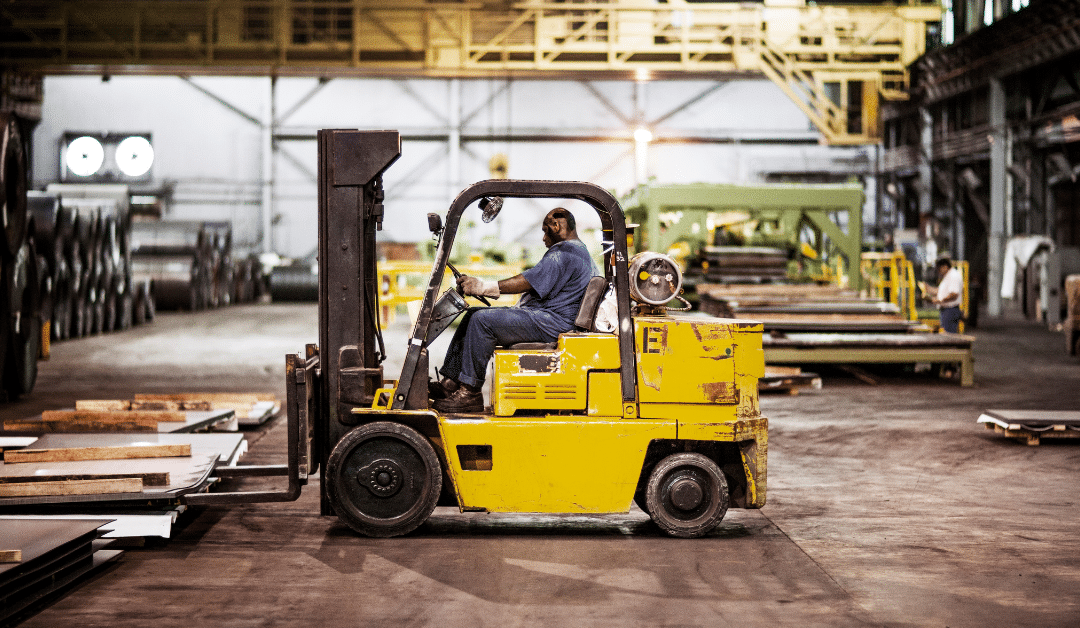
Heavy duty forklifts are the backbone of warehouses, manufacturing plants, construction sites, and industrial yards. These machines move massive loads every day, often in tight spaces and demanding environments. When a forklift goes down, productivity suffers immediately. Missed deadlines, stalled workflows, and safety risks quickly follow. That is why understanding common forklift breakdowns and addressing them through professional heavy duty forklift equipment repair is critical for keeping operations running smoothly.
Forklifts experience constant stress on their mechanical, hydraulic, and electrical systems. Over time, wear and tear is unavoidable. While some issues develop gradually, others appear suddenly and bring operations to a halt. Recognizing the most common breakdowns allows managers and operators to act early and reduce costly downtime.
Why Heavy Duty Forklifts Break Down
Heavy duty forklifts operate under conditions that push every system to its limit. They lift extreme weights, navigate uneven surfaces, and often run for long shifts without rest. Exposure to dust, moisture, temperature changes, and impact damage accelerates component wear.
Breakdowns usually occur when small issues go unnoticed. A slow hydraulic leak, worn brake component, or electrical fault may not stop the forklift immediately, but over time it leads to failure. Regular inspections and timely heavy duty forklift equipment repair reduce the likelihood of sudden shutdowns and extend the lifespan of the machine.
Hydraulic System Failures
Hydraulic systems power lifting, tilting, and steering functions. When hydraulics fail, the forklift cannot safely operate. Hydraulic breakdowns are among the most common reasons forklifts are removed from service.
Common hydraulic issues include:
- Leaking hoses or fittings
- Worn seals in lift cylinders
- Contaminated hydraulic fluid
- Weak hydraulic pumps
- Slow or uneven lift response
Operators may notice sluggish lifting, drifting forks, or visible fluid leaks beneath the forklift. These issues compromise load stability and increase the risk of accidents.
Prompt heavy duty forklift equipment repair involves inspecting hoses, replacing seals, flushing contaminated fluid, and restoring proper system pressure. Addressing hydraulic problems early prevents damage to pumps and valves, which are costly to replace.
Mast and Fork Wear
The mast assembly supports and guides the forks during lifting and lowering. Over time, mast rails, chains, rollers, and forks wear due to heavy loads and repetitive motion.
Common mast related failures include:
- Bent or cracked forks
- Worn mast rollers
- Loose or damaged lift chains
- Misaligned mast rails
When mast components wear out, the forklift may lift unevenly or struggle to maintain load alignment. Fork damage is especially dangerous, as weakened forks can fail under load.
Heavy duty forklift equipment repair includes inspecting mast components, replacing worn chains or rollers, and ensuring forks meet load capacity standards. Regular mast maintenance is essential for safe material handling.
Brake System Problems
Forklift brakes are critical for operator safety, especially in busy facilities with pedestrian traffic. Brake systems experience constant wear due to frequent stops and heavy loads.
Brake breakdowns often involve:
- Worn brake pads or shoes
- Hydraulic brake fluid leaks
- Malfunctioning parking brakes
- Uneven braking response
Operators may notice reduced stopping power, squealing noises, or difficulty holding the forklift stationary on inclines. Brake failure poses serious safety risks and can result in collisions or tip-overs.
Timely heavy duty forklift equipment repair restores braking performance and ensures compliance with safety regulations. Regular brake inspections prevent emergency shutdowns and reduce liability risks.
Electrical System Failures
Modern forklifts rely heavily on electrical systems for controls, sensors, lighting, and safety features. Electrical problems can cause intermittent operation or complete shutdowns.
Common electrical issues include:
- Dead or weak batteries
- Faulty wiring or connectors
- Sensor malfunctions
- Blown fuses or relays
- Charging system failures
Electrical problems may appear as warning lights, unresponsive controls, or sudden power loss. Because many electrical faults are intermittent, they can be difficult to diagnose without professional tools.
Heavy duty forklift equipment repair technicians use diagnostic equipment to identify wiring faults, test sensors, and restore electrical reliability. Addressing electrical issues promptly prevents unpredictable equipment behavior.
Steering and Suspension Wear
Forklift steering and suspension systems are constantly stressed during tight turns and uneven load movement. Over time, components wear and handling becomes less precise.
Common steering related breakdowns include:
- Loose steering linkages
- Worn bushings
- Failing steering cylinders
- Uneven tire wear caused by alignment issues
Poor steering response increases operator fatigue and raises the risk of collisions. Suspension problems also affect load stability and ride comfort.
Professional heavy duty forklift equipment repair restores proper steering alignment and handling, improving control and safety in confined workspaces.
Engine and Powertrain Issues
Diesel, propane, and gas-powered forklifts rely on engines that must operate efficiently throughout long shifts. Engine breakdowns are often the result of neglected maintenance or overheating.
Typical engine related failures include:
- Fuel system blockages
- Ignition problems
- Overheating due to cooling system failure
- Oil leaks and low lubrication
- Transmission or drivetrain wear
Warning signs include hard starting, loss of power, unusual noises, and excessive exhaust smoke. Ignoring these symptoms leads to costly engine repairs or complete replacement.
Heavy duty forklift equipment repair addresses engine issues through diagnostics, fluid service, component replacement, and preventive maintenance to keep power systems reliable.
Cooling System Failures
Forklift cooling systems regulate engine temperature and prevent overheating. Dust, debris, and neglected maintenance cause cooling systems to fail.
Common cooling problems include clogged radiators, leaking hoses, faulty fans, and low coolant levels.
Overheating can cause severe engine damage and unexpected shutdowns. Regular inspections and heavy duty forklift equipment repair ensure cooling systems function properly under heavy workloads.
Tire and Wheel Damage
Forklift tires endure constant abrasion and heavy loads. Tire failures affect traction, load stability, and steering.
Signs of tire problems include uneven wear, cracking, flat spots, or reduced traction. Damaged tires increase the risk of tipping and reduce operational efficiency.
Heavy duty forklift equipment repair includes inspecting tires, replacing worn units, and correcting alignment issues that cause uneven wear.
Control System and Safety Feature Failures
Modern forklifts include safety systems such as seat switches, overload sensors, alarms, and interlocks. When these systems malfunction, forklifts may fail inspections or pose safety risks.
Control system issues can cause unexpected shutdowns, inaccurate load readings, disabled safety alarms, or limited lift and travel functions.
Professional heavy duty forklift equipment repair ensures safety features function correctly and equipment remains compliant with workplace safety standards.
How Breakdowns Affect Operations
Forklift breakdowns impact more than just the machine. They disrupt entire workflows, delay shipments, and increase labor costs. Downtime forces facilities to reassign labor or rent replacement equipment at added expense.
Ignoring early warning signs often leads to increased repair costs, longer downtime, reduced equipment lifespan, safety incidents, and failed inspections.
Preventive Maintenance Reduces Breakdowns
Most forklift failures are preventable with routine maintenance. Regular inspections catch issues before they escalate and extend equipment life.
Preventive maintenance includes:
- Fluid changes and filter replacements
- Hydraulic inspections
- Brake and steering checks
- Electrical system testing
- Tire and mast inspections
Facilities that prioritize preventive heavy duty forklift equipment repair experience fewer breakdowns and more predictable maintenance schedules.
When to Schedule Forklift Repair
Forklifts should be serviced immediately when operators notice changes in performance, unusual noises, warning lights, or fluid leaks. Waiting until the forklift fails completely increases downtime and repair costs.
Routine inspections should be scheduled based on operating hours, workload intensity, and environmental conditions. Proactive service ensures equipment remains safe and efficient.
Why Professional Forklift Repair Matters
Heavy duty forklifts are complex machines that require specialized knowledge to repair properly. Professional technicians understand how each system interacts and how improper repairs can cause further damage.
Heavy duty forklift equipment repair performed by experienced technicians ensures accurate diagnostics, proper repairs, and reliable long term performance. Professional service also helps facilities meet safety and compliance requirements.
Why Choose Troy’s Truck & Equipment
Troy’s Truck & Equipment provides expert repair and maintenance services for heavy duty forklifts used in industrial, warehouse, and construction environments. Their technicians have the training and equipment needed to diagnose complex issues and perform dependable repairs.
From hydraulic systems to electrical diagnostics, the team delivers complete heavy duty forklift equipment repair solutions that minimize downtime and restore safe operation. Their commitment to quality service helps facilities keep operations moving without unnecessary disruption.
Keeping Forklifts Reliable and Safe
Understanding common forklift breakdowns helps operators and managers take proactive steps toward maintenance and repair. Heavy duty forklifts play a vital role in daily operations, and keeping them in top condition is essential for safety and productivity.
Regular inspections, prompt repairs, and professional service protect equipment investments and ensure consistent performance. Heavy duty forklift equipment repair is not just a response to failure, but a strategy for long term operational success.
Contact Troy’s Truck & Equipment today to learn more and schedule service.
Stay up to date with the latest by liking and following us on Facebook.