
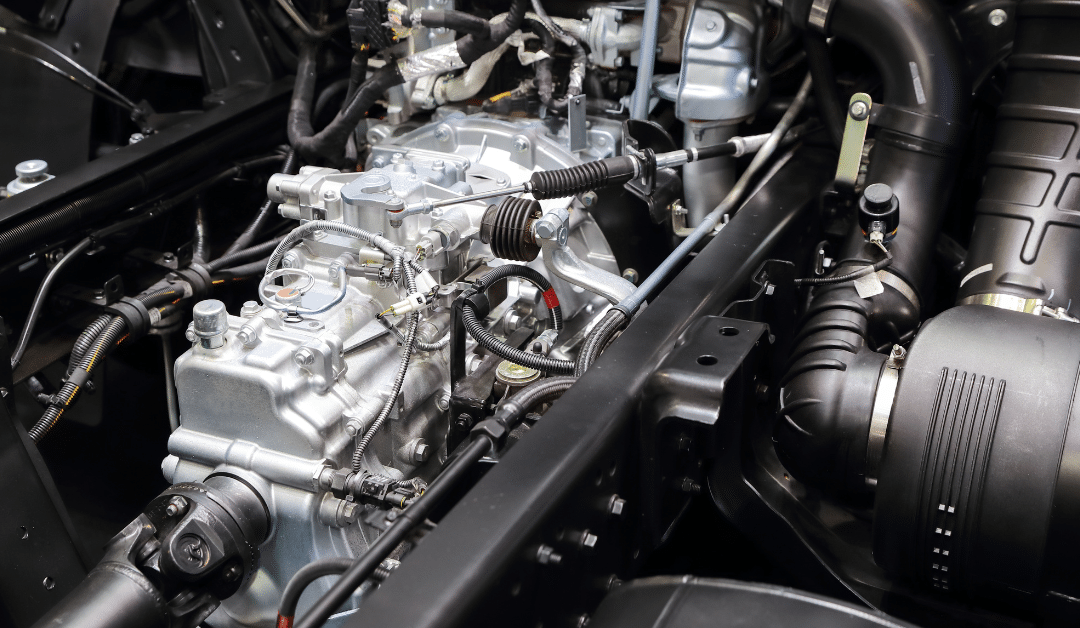
When temperatures drop, diesel engines face challenges that gasoline engines simply don’t. Cold weather thickens oil, gels fuel, weakens batteries, and strains every part of your truck’s system. For drivers, operators, and fleet owners, winter breakdowns are more than inconvenient – they’re costly. Understanding how cold weather affects your diesel engine and taking preventive action can save you from lost time, expensive towing, and urgent diesel engine repair.
At Troy’s Truck & Equipment, we know how critical reliable performance is during winter months. Whether your truck hauls loads across Pennsylvania highways or powers heavy equipment on the jobsite, knowing what to expect when temperatures plummet helps keep your engines running smoothly.
Why Diesel Engines Struggle in Cold Weather
Diesel engines are powerful and efficient, but they operate differently than gas engines. Diesel fuel requires heat and compression to ignite. When the air and fuel are cold, ignition takes longer, starting becomes harder, and performance suffers.
Cold weather also impacts supporting systems like the battery, lubricants, and fuel lines. Without proper care or timely diesel engine repair, these problems can compound and lead to total failure.
Let’s take a closer look at the most common cold-weather issues and how professional repair services can prevent costly downtime.
1. Fuel Gelling
When temperatures drop below freezing, diesel fuel can thicken or “gel.” The paraffin wax naturally present in diesel starts to solidify, clogging fuel filters and lines. This prevents fuel from reaching the engine, leading to hard starts or complete stalling.
Fuel gelling is one of the most frequent winter calls for diesel engine repair. Many drivers don’t realize the problem until it’s too late, often when they’re stranded with a truck that won’t start in subzero conditions.
Prevention Tips:
- Use winter-blend or anti-gel additives to lower the fuel’s freezing point.
- Keep fuel tanks full to minimize condensation buildup.
- Store vehicles in heated garages when possible.
- Replace fuel filters regularly to prevent clogging.
If your truck does experience gelling, professional technicians can safely warm the system, clean or replace filters, and ensure the fuel lines are clear.
2. Battery Failure
Diesel engines require strong batteries to power glow plugs, starters, and electronic systems. Cold weather drains battery efficiency, reducing available cranking power just when engines need it most.
A weak battery in summer might seem harmless, but in freezing weather it can completely fail to start the truck. Technicians can test voltage, check for corrosion, and replace failing batteries before winter leaves you stranded. A strong, well-maintained battery can be the difference between reliable starts and costly downtime.
3. Thickened Engine Oil
As temperatures drop, oil becomes thicker and flows less easily. This makes it harder for moving parts to stay lubricated during startup. Thick oil also increases resistance, forcing your starter and battery to work harder.
If left unchecked, this can lead to premature wear, slow cranking, and even engine damage that requires extensive diesel engine repair.
Prevention Tips:
- Use winter-grade oil that meets your manufacturer’s viscosity recommendations.
- Warm up your engine before driving to allow oil circulation.
- Schedule oil changes before the first major freeze.
4. Glow Plug and Injector Problems
Cold starts rely heavily on glow plugs to preheat combustion chambers and ensure proper fuel ignition. When glow plugs wear out or malfunction, engines may struggle to start or fail entirely.
Injectors can also clog or stick due to wax buildup or poor fuel quality. Professional technicians can test glow plug resistance, clean or replace injectors, and confirm proper fuel delivery and temperature for reliable starts.
5. Cooling System Failures
Frozen coolant or weak antifreeze mixtures can lead to cracked radiators, burst hoses, and serious internal damage. When coolant can’t circulate, the engine struggles to maintain operating temperature and efficiency.
During seasonal maintenance, technicians inspect coolant strength, test thermostats, and flush systems if needed. A balanced cooling system ensures reliable performance year-round.
6. Air Intake and Exhaust Restrictions
Snow, ice, and debris can clog air filters and exhaust systems, restricting airflow and trapping moisture. Reduced airflow means less oxygen for combustion, while blocked exhausts increase back pressure and stress internal components.
Routine inspections and cleaning during winter prevent these issues. If airflow becomes restricted or exhaust sensors trigger warnings, diesel engine repair may be required to clear and recalibrate the system.
7. Moisture and Condensation in the Fuel System
Condensation builds up inside partially filled fuel tanks during cold weather. As moisture freezes, it can block fuel lines or damage injectors. Water contamination also promotes bacterial growth that leads to sludge buildup, a hidden but serious cause of fuel system failure.
Technicians often recommend water-separating filters and fuel additives to absorb moisture. If contamination occurs, diesel engine repair may involve draining the tank, flushing lines, and replacing filters.
How Preventive Diesel Engine Repair Reduces Winter Breakdowns
Many cold-weather failures share one common cause: neglect. A proactive maintenance plan and early detection dramatically reduce the need for emergency repairs. Preventive diesel engine repair keeps systems clean, lubricated, and protected from harsh conditions.
Recommended Preventive Steps:
- Winterize fuel and coolant systems before the first freeze.
- Test battery voltage and alternator output.
- Inspect belts, hoses, and seals for cold-induced cracking.
- Check glow plug and injector performance.
- Ensure proper oil viscosity for seasonal temperatures.
These steps extend engine life, improve performance, and enhance fuel efficiency throughout the winter.
The Cost of Ignoring Winter Maintenance
Putting off winter maintenance may seem harmless until your truck won’t start or loses power mid-route. Emergency diesel engine repair costs significantly more than routine service, especially when towing and downtime are included.
Cold-related failures like cracked heads, seized pumps, or frozen fuel lines can cost thousands in repairs. More importantly, downtime impacts productivity, delivery schedules, and client trust. Addressing small issues early avoids major breakdowns and ensures your fleet is always ready.
The Role of Professional Diesel Engine Repair
While basic winter care can be done by operators, professional service is essential for diagnosing deeper problems. Modern diesel engines rely on complex electronics and emission systems that require specialized tools and training.
At Troy’s Truck & Equipment, our technicians are trained in comprehensive diesel engine repair, including diagnostics, component replacement, and system calibration. We don’t just fix problems, we identify their cause to prevent repeat failures.
From mobile, on-site repairs to full in-shop overhauls, Troy’s team provides dependable service that minimizes downtime and maximizes performance all season long.
How Troy’s Truck & Equipment Keeps You Running in Winter
- 24/7 emergency diesel engine repair and mobile service
- Preventive maintenance programs for cold weather
- Engine diagnostics, injector testing, and fuel system service
- Cooling system and electrical inspections
- Fast turnaround times to reduce downtime
Our goal is simple: keep your trucks, trailers, and equipment operating safely and efficiently no matter the weather.
Tips for Winterizing Your Diesel Engine
- Top off fuel tanks and use anti-gel additives.
- Replace fuel and oil filters before winter begins.
- Test batteries and glow plugs for strength and reliability.
- Keep spare filters and fuel additives in your cab.
- Run your truck regularly to maintain fluid circulation.
If you’re unsure whether your equipment is winter-ready, schedule a diesel engine inspection with Troy’s Truck & Equipment. Catching small issues now can prevent major headaches later.
Staying Prepared All Season Long
Winter is unforgiving, especially on diesel engines. But with the right maintenance, the right repair partner, and a proactive plan, your equipment can handle whatever nature throws its way.
Troy’s Truck & Equipment combines experience, precision, and 24/7 availability to keep fleets, trucks, and heavy equipment running smoothly all winter long. Whether you need emergency assistance or preventive service, count on fast, expert diesel engine repair that protects your investment and your schedule.
Contact Troy’s Truck & Equipment today to learn more and schedule service.
Stay up to date with the latest by liking and following us on Facebook.